


What Are You Looking For?
Introduction
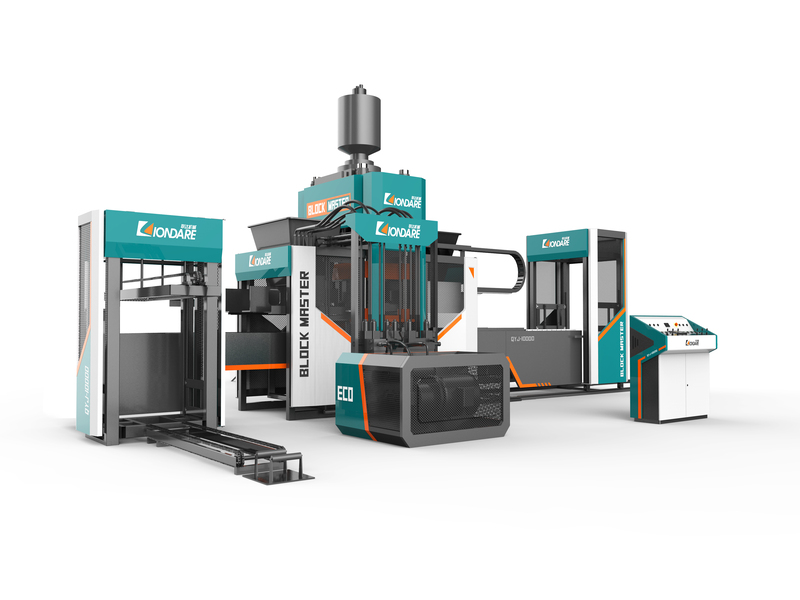
When investing in a block making machine, many buyers want to produce more than one type of concrete product. Hollow blocks are widely used in building construction, solid blocks are suitable for different masonry applications, and concrete pavers are popular for roads, sidewalks, parking areas and outdoor spaces.
But can one block making machine produce all three products?
The answer is yes, many block making machines can manufacture hollow blocks, solid blocks and concrete pavers by changing molds and adjusting production settings. However, not every machine is designed for all three applications. Machine structure, vibration performance, hydraulic pressure, mold dimensions and production requirements all matter.
Understanding these factors before purchasing can help buyers avoid unnecessary investment. For existing block factory owners, it can also create opportunities to expand product lines and reach new customers without purchasing an entirely new production line.
1. What Products Can One Block Making Machine Produce?
A multi-purpose block making machine can manufacture different concrete products when equipped with suitable molds and the correct production configuration.
Hollow Concrete Blocks
Hollow blocks contain one or more cavities and are commonly used for external walls, partition walls and other building applications. Their production requires accurate mold positioning and consistent concrete compaction to maintain wall thickness and product strength.
Solid Concrete Blocks
Solid blocks have a more compact structure and are used in foundations, walls, landscaping and other construction projects. Compared with hollow blocks, they may require different material quantities and suitable vibration and pressing settings.
Concrete Pavers
Concrete pavers are used for driveways, sidewalks, parking lots, garden paths and public spaces. Their surface quality, dimensional accuracy and strength are important selling points.
Some paver designs also require different production methods or a special face-mix system to create decorative colours and surface finishes.
The key point is that changing the mold changes the product shape, but achieving good product quality also requires the right machine configuration and concrete mixture.
2. Is Changing the Mold Enough?
Changing the mold is usually the main step when switching between different concrete products, but it is not always the only adjustment required.
Before changing products, check the following:
* Mold compatibility: The mold must match the machine’s dimensions, mounting system and working height.
* Machine pressure: The hydraulic system must provide suitable pressure for the intended product.
* Vibration system: Vibration frequency, intensity and duration should be adjustable to suit different molds and concrete mixtures.
* Material feeding: The feeding system must distribute concrete evenly, especially when producing hollow blocks with internal cavities.
* Pallet dimensions: The pallet size must accommodate the new mold and finished products.
* Production settings: Feeding time, vibration time and pressing parameters may need adjustment.
For example, a mold designed for hollow blocks cannot simply be replaced by any paver mold. The new mold must be compatible with the machine’s structure and production system.
Before ordering an additional mold, ask the manufacturer to confirm compatibility using the machine model, mold dimensions and product drawings.
3. What Machine Features Are Important for Multi-Product Production?
If you plan to produce hollow blocks, solid blocks and pavers on the same machine, pay attention to several important features.
A Flexible Mold Changing System
A machine designed for different molds can reduce changeover time and make product switching easier. Ask the supplier how long mold replacement normally takes and whether special tools or additional equipment are required.
Adjustable Vibration and Hydraulic Systems
Different products have different shapes, thicknesses and compaction requirements. Adjustable vibration and hydraulic settings help operators achieve consistent results across different product types.
Suitable Feeding Equipment
Uniform material feeding is essential for product quality. Poor feeding can cause incomplete filling, uneven density and inconsistent block dimensions.
Reliable Pallets and Handling Equipment
The pallet size, load capacity and transfer system must support the products being manufactured. This is particularly important when switching between different block sizes and paver designs.
A Practical Control System
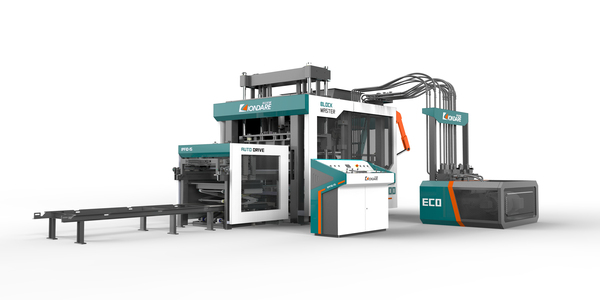
An automatic block making machine with adjustable production parameters can make product switching easier. Operators should be able to save or record suitable settings for different molds.
4. Can One Machine Produce All Three Products Efficiently?
Being able to produce three products does not automatically mean the machine can produce all three with the same efficiency.
Production capacity depends on several factors:
* Product dimensions and thickness.
* Number of products formed per cycle.
* Concrete mixture and moisture content.
* Mold design and filling time.
* Vibration and pressing time.
* Pallet circulation and material handling.
* Operator experience and production organization.
For example, a machine may produce several hollow blocks in one cycle, while a particular paver mold may produce a different number of units. Therefore, buyers should compare actual output per hour or per shift for each product rather than relying only on the machine’s advertised maximum capacity.
It is also important to consider mold changing and cleaning time. If a factory frequently switches between products, these changeover periods can reduce daily output.
For better efficiency, many factories schedule production in batches. They produce one product for a certain period, then change the mold and switch to another product. This reduces unnecessary setup and cleaning work.
5. Should You Buy One Multi-Purpose Machine or Separate Machines?
The right choice depends on your production scale, product demand and investment budget.
Choose One Multi-Purpose Block Making Machine If:
* Your factory is starting out and has limited investment.
* You want to test demand for different concrete products.
* Your daily production volume is moderate.
* You have enough time to change molds between production batches.
* Your available factory space is limited.
Consider Separate Production Machines If:
* You have large and stable orders for different products.
* You need to manufacture hollow blocks and pavers simultaneously.
* Frequent mold changes are affecting production efficiency.
* Different products require significantly different production configurations.
* You plan to operate a large-scale concrete products factory.
A multi-purpose machine can reduce initial equipment investment, but a dedicated production line may offer better efficiency when demand becomes large and consistent.
6. What Should Buyers Check Before Ordering a Block Making Machine?
Before purchasing a machine advertised as capable of producing hollow blocks, solid blocks and pavers, do not rely only on the supplier’s product description.
Ask for specific technical information:
1. Product samples: Request photos or videos of all three products manufactured by the same machine model.
2. Mold specifications: Confirm the available mold sizes, product dimensions and mold changing method.
3. Production capacity: Ask for the output per cycle and estimated output per shift for each product.
4. Machine configuration: Check whether the hydraulic system, vibration system and feeding equipment support all intended products.
5. Mold cost: Confirm the price, manufacturing time and expected service life of additional molds.
6. After-sales support: Ask whether the supplier can provide mold installation guidance, production parameter recommendations and spare parts.
If possible, provide your supplier with drawings or samples of the products you want to manufacture. A professional manufacturer should evaluate whether the machine can produce them before you place an order.
7. How Can Existing Block Factory Owners Expand Their Product Range?
If you already own a block making machine, you may not need to purchase another machine to increase your product range.
Start by checking your current machine’s specifications and asking the manufacturer whether additional molds are available.
Next, research local construction demand. For example, hollow blocks may have steady demand from residential construction, while pavers may offer opportunities in landscaping, commercial projects and road improvement.
Before investing in a new mold, calculate the expected cost, including mold purchase, material consumption, labour, production time and transportation.
It is also wise to produce a small trial batch first. Check product dimensions, appearance, strength and customer acceptance before starting large-scale production.
Expanding your product range is most profitable when the new products have real market demand and can be manufactured without seriously affecting your existing production schedule.
Conclusion
One block making machine can often produce hollow blocks, solid blocks and concrete pavers, provided that its design supports different molds and the required production settings.
For new investors, a multi-purpose machine can be a practical way to reduce initial investment and explore different markets. For existing factory owners, additional molds may provide a cost-effective opportunity to expand production.
However, the most important decision is not simply whether a machine can produce three types of products. It is whether it can manufacture each product with consistent quality, acceptable output and reasonable operating costs.
Before purchasing, confirm mold compatibility, machine configuration and actual production capacity with the manufacturer. Choosing the right equipment from the beginning can save time, money and future modification costs.
FAQs
1. Can one block making machine produce hollow blocks and solid blocks?
Yes. Many concrete block making machines can produce both products by changing the mold. The machine must have compatible mold dimensions and suitable vibration and pressing settings.
2. Can the same block making machine produce concrete pavers?
Some machines can produce concrete pavers with a suitable paver mold. However, buyers should confirm whether the machine’s feeding, vibration and pressing systems are appropriate for the required paver design.
3. How long does it take to change a block machine mold?
The time depends on the machine structure, mold design and operator experience. Ask the manufacturer for the actual mold changing procedure and estimated changeover time before purchasing.
4. Does changing the mold affect production capacity?
Yes. Different product dimensions, mold cavities and compaction requirements can result in different outputs per cycle. Buyers should request separate production capacity estimates for hollow blocks, solid blocks and pavers.
5. Is a multi-purpose block making machine suitable for a large factory?
It can be suitable for a factory producing moderate quantities of different products. However, factories with large, continuous orders may benefit from dedicated production lines to reduce mold changes and improve overall efficiency.
 One kilometer away from the exit of Nanshi Expressway in Rongqiao Project Concentration Area, Nan'an City
 Email: admin01@liandamachine.com



 IPv6 network supported